Wish you a merry christmas and a joyful new year!
-
Products
-

DETAILS
Aguachlon
13
2025
-
02
The Reaction of Calcium Hypochlorite with Water
Calcium hypochlorite (Ca(OCl)₂) is widely used as a powerful disinfectant and bleaching agent. Its reaction with water is central to its effectiveness in applications such as water treatment, pool sanitation, and cleaning. In this blog, we will explore the reaction of calcium hypochlorite with water, explaining the chemical processes involved, its applications, and important safety considerations.
The Reaction of Calcium Hypochlorite with Water
Introduction
Calcium hypochlorite (Ca(OCl)₂) is widely used as a powerful disinfectant and bleaching agent. Its reaction with water is central to its effectiveness in applications such as water treatment, pool sanitation, and cleaning. In this blog, we will explore the reaction of calcium hypochlorite with water, explaining the chemical processes involved, its applications, and important safety considerations.
1. Understanding Calcium Hypochlorite
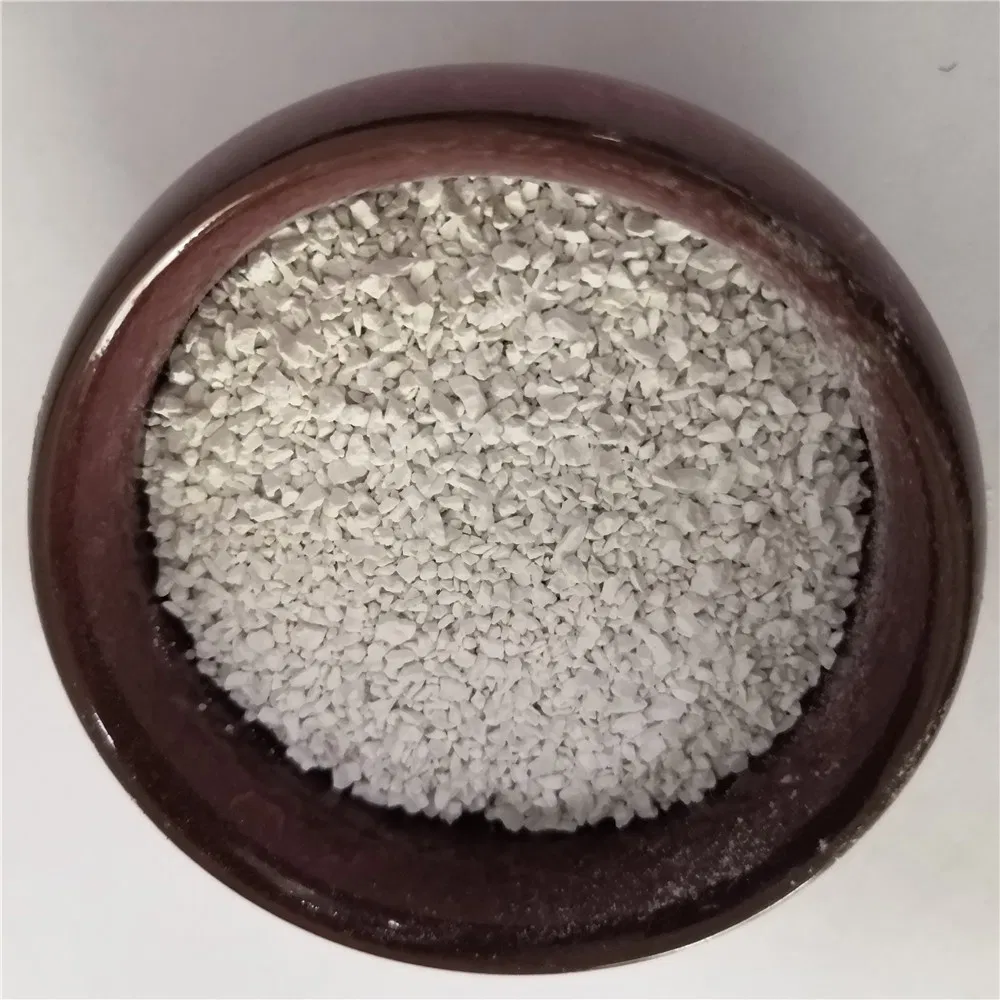
Calcium hypochlorite is a compound made up of calcium, oxygen, and chlorine. It is typically found in granular or powdered form and is a potent oxidizer. When dissolved in water, it releases chlorine, which acts as a powerful disinfectant and bleaching agent. This reaction is what makes calcium hypochlorite such a crucial tool in various industries.
The reaction of calcium hypochlorite with water leads to the formation of calcium hydroxide (Ca(OH)₂) and hypochlorous acid (HOCl), a potent disinfectant.
2. Chemical Reaction of Calcium Hypochlorite with Water
When calcium hypochlorite is added to water, it undergoes a chemical reaction, dissociating to produce chlorine-based compounds. The reaction can be described as follows:
Ca(OCl)₂ + 2 H₂O → Ca(OH)₂ + 2 HOCl
- Calcium Hydroxide (Ca(OH)₂): This compound is a strong base, and it is formed when calcium hypochlorite reacts with water.
- Hypochlorous Acid (HOCl): Hypochlorous acid is released, which is the active disinfecting agent in this reaction. This compound can further dissociate into hypochlorite ions (OCl⁻) depending on the pH of the water.
3. Key Characteristics of the Reaction
1. Chlorine Release
The primary function of calcium hypochlorite when dissolved in water is the release of chlorine in the form of hypochlorous acid. This is what makes it so effective as a disinfectant. The chlorine works by oxidizing organic contaminants, bacteria, viruses, and other microorganisms in water, rendering it safe for drinking or pool use.
2. pH Influence
The effectiveness of the reaction depends heavily on the pH of the water. At higher pH levels (alkaline), the reaction favors the formation of hypochlorite ions (OCl⁻), which are less effective as disinfectants. On the other hand, at lower pH levels (acidic), the reaction favors the formation of hypochlorous acid (HOCl), which is a much stronger disinfectant. This is why the pH level is carefully monitored in pool maintenance to ensure that the water remains effective for sanitation.
3. Byproducts
In addition to hypochlorous acid, calcium hydroxide is also produced during the reaction. Calcium hydroxide (also known as slaked lime) is an alkaline compound, which can affect the hardness and pH of the water, particularly in large-scale water treatment processes.
4. Applications of the Reaction in Water Treatment
The reaction of calcium hypochlorite with water is essential in several key applications:
1. Swimming Pools
In swimming pools, calcium hypochlorite is used as a disinfectant to keep the water free from harmful bacteria and pathogens. When calcium hypochlorite is added to pool water, it reacts with water to release chlorine, which disinfects the water and keeps it safe for swimmers.
2. Drinking Water Treatment
Calcium hypochlorite is also used in municipal water treatment plants to disinfect drinking water. By adding calcium hypochlorite to water, chlorine is released, killing pathogens such as bacteria, viruses, and protozoa, ensuring that the water is safe for consumption.
3. Wastewater Treatment
In wastewater treatment, calcium hypochlorite is used to disinfect and remove harmful microorganisms from sewage and industrial waste before it is released into the environment. The chlorine released from the compound plays a crucial role in purifying wastewater.
5. Safety Considerations When Using Calcium Hypochlorite
While calcium hypochlorite is highly effective as a disinfectant, it should be handled with caution. The reaction between calcium hypochlorite and water can release chlorine gas, which is toxic in high concentrations. Therefore, it is essential to follow safety guidelines when storing and using this compound:
- Proper Storage: Store calcium hypochlorite in a dry, cool place, away from moisture and other chemicals, especially acids, as mixing calcium hypochlorite with acids can cause a dangerous reaction.
- Use Protective Equipment: Always wear gloves, goggles, and a dust mask when handling calcium hypochlorite to avoid skin contact and inhalation of dust or fumes.
- Ventilation: Ensure adequate ventilation when dissolving calcium hypochlorite in water, as chlorine gas can be harmful if inhaled in large quantities.
6. Conclusion
The reaction of calcium hypochlorite with water is fundamental to its role as an effective disinfectant in a variety of applications, from pool sanitation to drinking water treatment. The ability of calcium hypochlorite to release chlorine and form hypochlorous acid makes it a powerful tool for eliminating harmful pathogens. However, it’s crucial to understand the chemical properties and safety guidelines associated with its use to ensure optimal results and avoid potential hazards.
Call to Action
If you are looking for high-quality calcium hypochlorite for your water treatment needs, visit Aguachlon to find premium products and ensure safe and reliable water disinfection. Contact us today for more information and to place your order!
reaction of calcium hypochlorite with water,calcium hypochlorite water reaction,calcium hypochlorite for pool,calcium hypochlorite disinfection,hypochlorous acid release,calcium hypochlorite pH effect,chlorine release from calcium hypochlorite

undefined

Aguachlon – Focus on water safety and challenge
by providing high quality disinfectants and services.
williamzhang@aguachlon.com
Whatsapp:+86 13642134113
© 2025 Aguachlon – All Rights Reserved
Privacy Policy Terms of Service
HUATAO GROUP