Wish you a merry christmas and a joyful new year!
-
Products
-

DETAILS
Aguachlon
13
2025
-
02
What is Calcium Hypochlorite?
Calcium hypochlorite (Ca(OCl)₂) is a powerful and versatile compound used primarily as a disinfectant and bleaching agent. It’s most commonly found in granular or powdered form and is a key ingredient in pool sanitation, water treatment, and cleaning. In this blog, we will dive into what calcium hypochlorite is, its uses, and how it works to keep our environments safe and clean.
What is Calcium Hypochlorite?
Introduction
Calcium hypochlorite (Ca(OCl)₂) is a powerful and versatile compound used primarily as a disinfectant and bleaching agent. It’s most commonly found in granular or powdered form and is a key ingredient in pool sanitation, water treatment, and cleaning. In this blog, we will dive into what calcium hypochlorite is, its uses, and how it works to keep our environments safe and clean.
1. What is Calcium Hypochlorite?
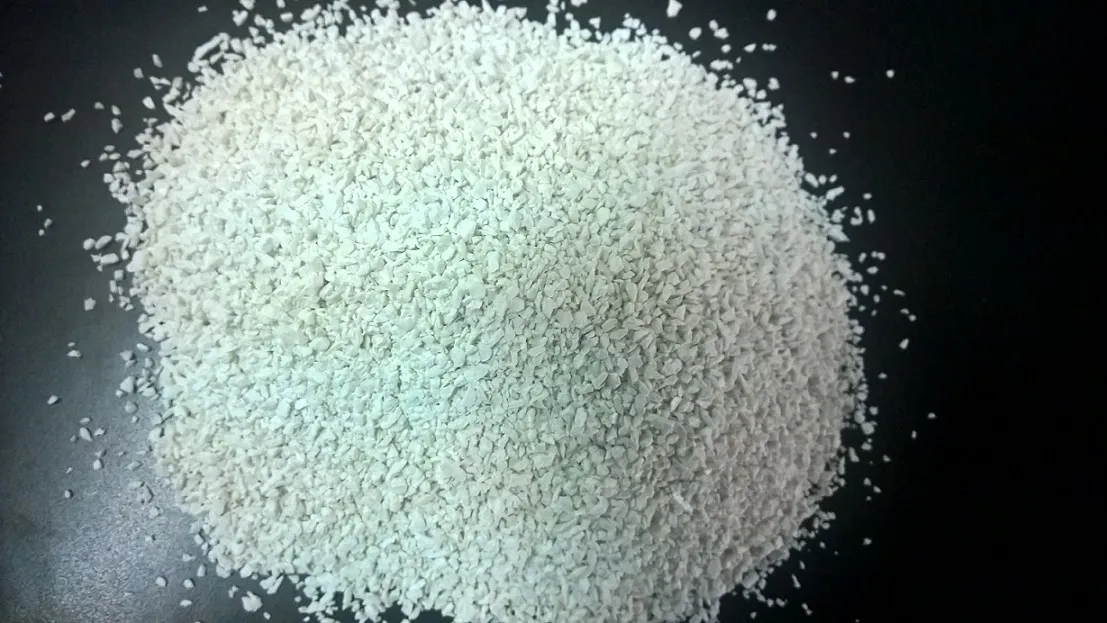
Calcium hypochlorite is an inorganic compound made up of calcium, chlorine, and oxygen. It appears as a white or grayish powder or granules and has strong disinfecting and bleaching properties. Its chemical formula is Ca(OCl)₂, which indicates it contains two hypochlorite ions (OCl⁻) bonded to one calcium ion (Ca²⁺).
Calcium hypochlorite is commonly used in swimming pools to disinfect water, in industrial settings for cleaning and sanitizing, and even in emergency water purification processes. The compound is often seen as a solid version of chlorine, which is widely known for its ability to kill bacteria, viruses, and other harmful microorganisms.
2. How Does Calcium Hypochlorite Work?
When calcium hypochlorite is added to water, it dissolves and releases chlorine in the form of hypochlorous acid (HOCl), a potent disinfectant. The chemical reaction can be represented as:
Ca(OCl)₂ + 2 H₂O → Ca(OH)₂ + 2 HOCl
- Hypochlorous Acid (HOCl): The active disinfectant agent formed in the water. It has strong oxidizing properties that enable it to kill harmful microorganisms.
- Calcium Hydroxide (Ca(OH)₂): A byproduct of the reaction, which may slightly increase the pH of the water, but it doesn't diminish the effectiveness of the chlorine in killing pathogens.
The release of chlorine (HOCl) makes calcium hypochlorite an effective sanitizer in pools, drinking water, and wastewater treatment, as it eliminates harmful bacteria and other pathogens.
3. Uses of Calcium Hypochlorite
1. Swimming Pool Sanitization
The most common use of calcium hypochlorite is in the sanitation of swimming pools. It is used to kill bacteria, viruses, and algae in the pool water, keeping it safe for swimmers. Pool owners typically add calcium hypochlorite in granular or tablet form to maintain proper chlorine levels and ensure clean, clear water.
2. Water Treatment
Calcium hypochlorite is used in municipal and emergency water treatment systems to disinfect drinking water. It is often used in places where access to clean water is limited or in disaster-stricken areas. The compound’s ability to eliminate pathogens makes it essential for making water safe for consumption.
3. Industrial Cleaning and Disinfection
In industries, calcium hypochlorite is used as a powerful cleaning and disinfecting agent. It helps in the sterilization of equipment, sanitation of facilities, and in disinfecting surfaces to prevent the spread of bacteria and viruses. Its oxidizing properties make it effective against a wide range of microorganisms.
4. Emergency Water Purification
Calcium hypochlorite is often included in emergency water purification kits, particularly in areas prone to natural disasters. When dissolved in water, it can help purify and make it safe to drink by neutralizing harmful bacteria and viruses.
4. Safety Considerations When Handling Calcium Hypochlorite
While calcium hypochlorite is highly effective as a disinfectant, it must be handled with care due to its reactive nature:
- Proper Storage: Always store calcium hypochlorite in a dry, cool, and well-ventilated area. It should be kept away from acids and other chemicals, as it can react violently with them.
- Protective Gear: When handling calcium hypochlorite, wear gloves, goggles, and a dust mask to prevent skin irritation or inhalation of fumes.
- Avoid Mixing: Never mix calcium hypochlorite with other chemicals, especially acids, as this can lead to the release of toxic chlorine gas.
5. Benefits of Calcium Hypochlorite
- Effective Disinfectant: Calcium hypochlorite is a strong oxidizer, making it one of the most effective disinfectants available for water treatment.
- Long Shelf Life: Unlike liquid chlorine, calcium hypochlorite has a longer shelf life and remains effective for a longer period, making it easier to store and handle.
- Versatility: It can be used in multiple applications, from pool sanitization to industrial disinfection and emergency water purification.
6. Conclusion
In summary, calcium hypochlorite is a powerful chemical compound used primarily for its disinfecting and bleaching properties. From maintaining clean swimming pools to purifying drinking water and disinfecting industrial equipment, calcium hypochlorite plays a crucial role in keeping our environments safe and hygienic. However, its reactive nature requires careful handling and proper storage to ensure safety.
Whether you're a pool owner, water treatment professional, or industrial cleaner, understanding what calcium hypochlorite is and how it works will help you use it effectively and safely.
Call to Action
If you are looking for high-quality calcium hypochlorite for your water treatment needs, visit Aguachlon to find premium products and ensure safe and reliable water disinfection. Contact us today for more information and to place your order!
what is calcium hypochlorite,calcium hypochlorite,uses of calcium hypochlorite,calcium hypochlorite for pools,calcium hypochlorite water treatment,calcium hypochlorite disinfectant,properties of calcium hypochlorite,calcium hypochlorite safety

undefined
Aguachlon – Focus on water safety and challenge
by providing high quality disinfectants and services.
williamzhang@aguachlon.com
Whatsapp:+86 13642134113
© 2025 Aguachlon – All Rights Reserved
Privacy Policy Terms of Service
HUATAO GROUP