Wish you a merry christmas and a joyful new year!
-
Products
-

DETAILS
Aguachlon
13
2025
-
02
Understanding the Properties of Calcium Hypochlorite
Calcium hypochlorite (Ca(OCl)₂) is a powerful chemical compound widely used in water treatment, pool sanitation, and disinfection processes. As one of the most effective chlorine-releasing agents, its properties make it essential in maintaining clean water and ensuring safe, sanitized environments. In this blog, we will explore the key properties of calcium hypochlorite, including its chemical characteristics, uses, and safety considerations.
Understanding the Properties of Calcium Hypochlorite
Introduction
Calcium hypochlorite (Ca(OCl)₂) is a powerful chemical compound widely used in water treatment, pool sanitation, and disinfection processes. As one of the most effective chlorine-releasing agents, its properties make it essential in maintaining clean water and ensuring safe, sanitized environments. In this blog, we will explore the key properties of calcium hypochlorite, including its chemical characteristics, uses, and safety considerations.
1. Chemical Composition and Structure
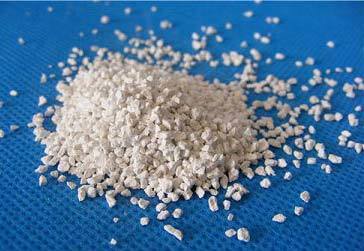
Calcium hypochlorite is composed of calcium (Ca), oxygen (O), and chlorine (Cl) atoms. Its chemical formula is Ca(OCl)₂, indicating that it consists of one calcium atom, two oxygen atoms, and two chlorine atoms. It is typically available in solid form, either as a white powder or granules.
Key Characteristics:
- Molecular Weight: 142.98 g/mol
- Chemical Formula: Ca(OCl)₂
- Appearance: White to slightly yellow granular or powdery substance
- Odor: Chlorine-like odor
- Solubility: It dissolves readily in water, releasing chlorine.
2. Key Properties of Calcium Hypochlorite
1. Chlorine-Releasing Agent
One of the most important properties of calcium hypochlorite is its ability to release chlorine when dissolved in water. This makes it an excellent disinfectant for pools, water treatment plants, and even household sanitization. The compound releases chlorine in the form of hypochlorous acid (HOCl), which is a strong oxidizing agent that kills bacteria, viruses, and other pathogens.
2. Strong Oxidizing Nature
Calcium hypochlorite is highly oxidative, which means it can break down contaminants and organic matter by releasing chlorine. This property is essential in maintaining clean, sanitized water in swimming pools and other applications that require disinfection.
3. High Stability
Calcium hypochlorite is relatively stable when stored in a dry, cool environment. It has a shelf life of several months, depending on the packaging and storage conditions. However, exposure to moisture and heat can lead to decomposition and loss of potency.
4. pH Sensitivity
Calcium hypochlorite is alkaline, and its effectiveness is influenced by the pH level of the water it is dissolved in. In basic (alkaline) conditions, it releases more chlorine, making it more effective as a disinfectant. In acidic conditions, its chlorine release is reduced.
5. Decomposition
Calcium hypochlorite decomposes over time when exposed to moisture, heat, or light. Decomposition can release chlorine gas, which is toxic in high concentrations. It’s important to store the chemical in sealed containers and away from heat sources.
6. Solubility
Calcium hypochlorite is highly soluble in water. When dissolved, it releases calcium ions and hypochlorite ions, which contribute to its disinfecting power. The solubility is enhanced by the temperature of the water.
7. Hygroscopic Nature
Calcium hypochlorite is hygroscopic, meaning it absorbs moisture from the air. This is why it is typically stored in sealed, moisture-proof containers to prevent it from reacting with humidity and decomposing.
3. Common Uses of Calcium Hypochlorite
- Water Treatment: Calcium hypochlorite is widely used for disinfecting drinking water and wastewater, making it essential in municipal water treatment systems.
- Swimming Pools: It is commonly used as a pool disinfectant, helping to maintain safe water by killing bacteria, algae, and other microorganisms.
- Bleaching Agent: Calcium hypochlorite is used in bleaching, especially in the paper and textile industries.
- Disinfection in Household and Industrial Settings: Due to its strong oxidizing properties, it is often used for sanitizing surfaces, disinfecting water tanks, and treating sewage.
4. Safety Considerations and Handling
While calcium hypochlorite is highly effective as a disinfectant, it is important to handle it with care. Here are some safety precautions:
- Wear Protective Gear: Always wear gloves, goggles, and a dust mask when handling calcium hypochlorite, especially in powder form, to avoid skin irritation or inhalation of dust.
- Store Properly: Calcium hypochlorite should be stored in a dry, cool place, away from other chemicals, especially flammable materials. It should also be kept sealed to avoid exposure to moisture.
- Avoid Mixing with Acids: Never mix calcium hypochlorite with acids, as this can release toxic chlorine gas.
5. Conclusion
The properties of calcium hypochlorite make it an invaluable chemical in water treatment, pool sanitation, and disinfection. Its strong chlorine-releasing ability, high stability, and strong oxidative properties are key to its effectiveness. However, due to its potential hazards, it is essential to handle it with care and store it properly. Understanding its properties and proper use ensures that calcium hypochlorite remains an effective and safe tool for disinfection and sanitation.
Call to Action
If you are looking for high-quality calcium hypochlorite for your water treatment needs, visit Aguachlon to find premium products and ensure safe and reliable water disinfection. Contact us today for more information and to place your order!
calcium hypochlorite solubility,calcium hypochlorite uses,properties of calcium hypochlorite,calcium hypochlorite stability,calcium hypochlorite for pool,calcium hypochlorite disinfectant,calcium hypochlorite safety,chlorine-releasing properties of calcium hypochlorite

undefined
Aguachlon – Focus on water safety and challenge
by providing high quality disinfectants and services.
williamzhang@aguachlon.com
Whatsapp:+86 13642134113
© 2025 Aguachlon – All Rights Reserved
Privacy Policy Terms of Service
HUATAO GROUP