Wish you a merry christmas and a joyful new year!
-
Products
-

DETAILS
Aguachlon
20
2025
-
01
Calcium Hypochlorite for Water Purification: A Powerful Solution for Clean Water
Water purification is essential for providing clean and safe drinking water, particularly in areas with limited access to potable water. One of the most effective and widely used chemicals for water disinfection is calcium hypochlorite. Known for its powerful disinfecting properties, calcium hypochlorite is used in both large-scale municipal water treatment and emergency water purification. In this blog, we will explore how calcium hypochlorite works, its benefits, and why it is an ideal solution for water purification.
Calcium Hypochlorite for Water Purification: A Powerful Solution for Clean Water
Introduction
Water purification is essential for providing clean and safe drinking water, particularly in areas with limited access to potable water. One of the most effective and widely used chemicals for water disinfection is calcium hypochlorite. Known for its powerful disinfecting properties, calcium hypochlorite is used in both large-scale municipal water treatment and emergency water purification. In this blog, we will explore how calcium hypochlorite works, its benefits, and why it is an ideal solution for water purification.
1. What is Calcium Hypochlorite?
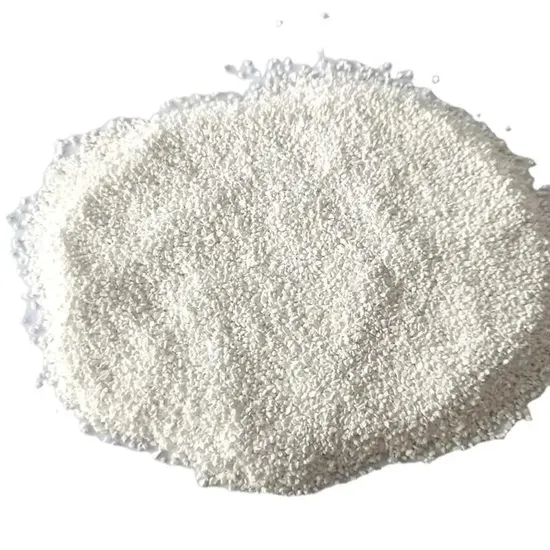
Calcium hypochlorite (Ca(OCl)₂) is a chemical compound commonly used as a disinfectant and bleaching agent. It is a white, granular or tablet form compound that, when dissolved in water, releases chlorine in the form of hypochlorous acid, a potent disinfectant capable of killing bacteria, viruses, and other harmful microorganisms.
2. How Does Calcium Hypochlorite Purify Water?
Calcium hypochlorite purifies water by releasing chlorine when mixed with water. Chlorine is one of the most effective agents for killing a wide range of pathogens, including bacteria, viruses, and protozoa. When calcium hypochlorite is added to water, it reacts to produce hypochlorous acid (HOCl) and hypochlorite ions (OCl⁻), both of which are effective in disinfection.
- Chlorine Disinfection: The hypochlorous acid formed during the reaction is a strong oxidizer that destroys the cell walls of microorganisms, rendering them inactive.
- Long-lasting Residual Effect: Chlorine stays active in water for an extended period, providing residual disinfection even after the initial treatment, ensuring ongoing protection against bacterial growth.
3. Benefits of Using Calcium Hypochlorite for Water Purification
a) High Chlorine Content
Calcium hypochlorite contains up to 65% to 70% available chlorine, making it an extremely potent disinfectant. This high chlorine content allows it to disinfect large volumes of water effectively, even at low concentrations.
b) Stability and Shelf Life
Unlike sodium hypochlorite, which is a liquid and degrades over time, calcium hypochlorite has a longer shelf life and is more stable. It can be stored safely in dry conditions for extended periods without losing its potency.
c) Easy to Transport and Store
Calcium hypochlorite is typically available in solid forms (granules or tablets), making it easier to store and transport. This is particularly important in emergency situations where access to clean water is critical.
d) Cost-effective Solution
In comparison to other water treatment chemicals, calcium hypochlorite is a cost-effective solution for both small-scale and large-scale water purification projects.
4. Applications of Calcium Hypochlorite in Water Purification
a) Drinking Water Disinfection
Calcium hypochlorite is widely used to disinfect drinking water, particularly in rural and remote areas. It is commonly used by municipalities, humanitarian organizations, and water treatment plants to ensure safe drinking water for communities.
b) Emergency Water Treatment
In disaster-stricken areas or during emergency situations, where access to clean water may be limited or contaminated, calcium hypochlorite is used for emergency water purification. Its ease of use and effective disinfection properties make it an ideal choice for rapid water treatment.
c) Swimming Pool Sanitation
Calcium hypochlorite is also used extensively for maintaining pool water quality. It helps eliminate algae, bacteria, and other pathogens, ensuring safe swimming conditions for pool users.
d) Industrial Water Treatment
Large industries that require massive amounts of water for cooling, cleaning, and manufacturing processes often use calcium hypochlorite to treat water and control microbial contamination in their systems.
5. How to Use Calcium Hypochlorite for Water Purification
Calculating Dosage
To use calcium hypochlorite effectively for water purification, it is essential to calculate the correct dosage based on the volume of water to be treated and the level of contamination. The typical dosage ranges from 1-2 ppm (parts per million) for drinking water disinfection.
- For example, to disinfect 1000 liters of water, you may need approximately 0.5 to 1 gram of calcium hypochlorite, depending on the available chlorine content.
Steps for Use
- Dissolve the Calcium Hypochlorite: Measure the appropriate amount of calcium hypochlorite based on the volume of water you need to treat. Dissolve the granules or tablet in clean water.
- Mix Thoroughly: Ensure the mixture is well-dissolved to allow the chlorine to disperse evenly in the water.
- Wait for Disinfection: Allow the treated water to sit for at least 30 minutes to ensure effective disinfection. The chlorine will kill harmful microorganisms during this time.
6. Safety Considerations When Using Calcium Hypochlorite
While calcium hypochlorite is an effective disinfectant, it should be handled with care. Here are some safety tips to keep in mind:
- Storage: Calcium hypochlorite should be stored in a dry, cool place, away from any chemicals that can cause a reaction, such as acids or organic materials.
- Protection: Wear gloves and safety goggles when handling calcium hypochlorite to prevent skin and eye irritation.
- Dosage: Always follow the recommended dosage instructions to avoid overdosing, which could lead to excessive chlorine levels and affect the taste and safety of the water.
7. Conclusion
Calcium hypochlorite is a reliable and effective solution for water purification. Whether you're looking to disinfect drinking water, maintain clean swimming pools, or treat water in an emergency situation, calcium hypochlorite offers an excellent solution. With its high chlorine content, long shelf life, and ease of use, it remains one of the top choices for water treatment worldwide.
Call to Action
If you are looking for high-quality calcium hypochlorite for water purification, Aguachlon offers premium products with guaranteed chlorine content. Visit our website today for more information and to make your purchase!
chlorine for water treatment,water disinfection,calcium hypochlorite for drinking water,calcium hypochlorite water purification,emergency water purification,water treatment chemicals,calcium hypochlorite dosage,water purification chemicals

undefined

Aguachlon – Focus on water safety and challenge
by providing high quality disinfectants and services.
williamzhang@aguachlon.com
Whatsapp:+86 13642134113
© 2025 Aguachlon – All Rights Reserved
Privacy Policy Terms of Service
HUATAO GROUP