Wish you a merry christmas and a joyful new year!
-
Products
-

DETAILS
Aguachlon
17
2025
-
01
Calcium Hypochlorite Molecular Formula: Understanding Its Chemical Structure and Uses
Calcium hypochlorite is a widely used compound in various industries, primarily due to its powerful disinfecting properties. Whether you are dealing with water treatment, swimming pools, or industrial sanitation, calcium hypochlorite plays a crucial role in keeping environments clean and safe. But have you ever wondered about the chemical makeup of this compound? In this blog, we will delve into the calcium hypochlorite molecular formula, its chemical composition, and its importance in different applications.
Calcium Hypochlorite Molecular Formula: Understanding Its Chemical Structure and Uses

Calcium hypochlorite is a widely used compound in various industries, primarily due to its powerful disinfecting properties. Whether you are dealing with water treatment, swimming pools, or industrial sanitation, calcium hypochlorite plays a crucial role in keeping environments clean and safe. But have you ever wondered about the chemical makeup of this compound? In this blog, we will delve into the calcium hypochlorite molecular formula, its chemical composition, and its importance in different applications.
1. What is Calcium Hypochlorite?
Before we explore its molecular formula, let’s first understand what calcium hypochlorite is. Calcium hypochlorite (Ca(OCl)₂) is a chemical compound that is commonly used as a disinfectant and bleaching agent. It is a strong oxidizing agent, which makes it effective in killing bacteria, viruses, and algae. It is widely used in:
- Drinking water purification
- Swimming pool sanitation
- Industrial water treatment
Its primary function is to release chlorine when it is dissolved in water, which helps in disinfection processes.
2. The Molecular Formula of Calcium Hypochlorite
The molecular formula of calcium hypochlorite is Ca(OCl)₂. Let's break this down:
- Ca represents calcium, an essential metal element in the compound.
- OCl represents the hypochlorite ion (OCl⁻), which is the active component responsible for its disinfectant properties.
- The 2 after OCl indicates that there are two hypochlorite ions present for each calcium ion in the molecule.
Thus, the chemical composition of calcium hypochlorite consists of:
- One calcium ion (Ca²⁺)
- Two hypochlorite ions (OCl⁻)
The combination of these elements forms calcium hypochlorite, which is an effective chlorine-based disinfectant.
3. How Does Calcium Hypochlorite Work?
The magic of calcium hypochlorite lies in its ability to release chlorine when it is dissolved in water. The compound undergoes a reaction in water, breaking down to produce chlorine gas (Cl₂), hypochlorous acid (HOCl), and hydroxide ions (OH⁻). This process can be summarized by the following equation:
In this reaction:
- Calcium hydroxide (Ca(OH)₂) is produced as a by-product.
- Chlorine gas (Cl₂) is released, which is the key element responsible for disinfection.
- The hypochlorite ion (OCl⁻) remains in the solution, continuing to provide disinfecting power.
The chlorine produced is highly effective at killing bacteria, viruses, and other microorganisms, making calcium hypochlorite a powerful tool for water treatment and sanitation.
4. Why is the Molecular Formula Important?
Understanding the molecular formula of calcium hypochlorite helps in several ways:
- Manufacturing and Purity Control: Knowing the exact chemical structure ensures that manufacturers can create high-quality products with precise chemical concentrations. This is important to ensure the compound performs effectively in disinfection applications.
- Chemical Reactions: The formula helps chemists and engineers understand how calcium hypochlorite will behave in different chemical reactions, especially when mixed with water or other chemicals.
- Applications in Industry: For industries that use calcium hypochlorite for water treatment, knowing the molecular formula allows them to calculate the proper dosages, ensuring effective disinfection without overuse of the chemical.
5. The Role of Calcium Hypochlorite in Water Treatment
Calcium hypochlorite is primarily known for its role in water disinfection. It is used in the treatment of:
- Municipal drinking water: To kill harmful pathogens and ensure safe drinking water.
- Swimming pools: To eliminate bacteria and algae, keeping pool water clean.
- Wastewater treatment: In industrial applications to disinfect wastewater before disposal.
The chlorine released by calcium hypochlorite is a powerful oxidizing agent that destroys the cell walls of microorganisms, ensuring the water is safe for consumption or use.
6. Conclusion: The Power Behind the Formula
The calcium hypochlorite molecular formula (Ca(OCl)₂) provides insight into the powerful disinfecting abilities of this compound. With its unique combination of calcium and hypochlorite ions, it serves as an effective agent for water treatment, sanitation, and bleaching.
At Aguachlon, we are committed to providing the highest quality calcium hypochlorite products, manufactured with precision and care. Our products meet the necessary standards for water purification, pool cleaning, and industrial sanitation, ensuring that you have access to the best disinfectant available.
If you are interested in learning more about the calcium hypochlorite manufacturing process or would like to inquire about our products, don’t hesitate to contact us.
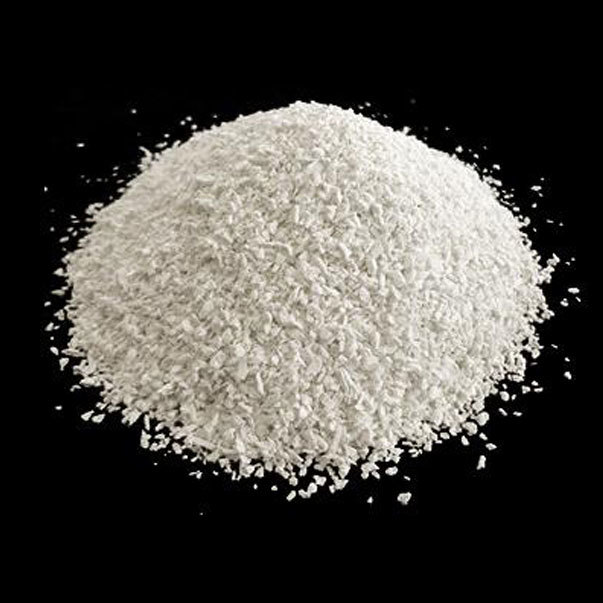
Key Takeaways:
- The molecular formula of calcium hypochlorite is Ca(OCl)₂.
- It consists of one calcium ion (Ca²⁺) and two hypochlorite ions (OCl⁻).
- Calcium hypochlorite is a powerful disinfectant and is widely used in water treatment, swimming pool sanitation, and industrial cleaning.
By understanding the chemical composition and structure of calcium hypochlorite, you can better appreciate its importance in maintaining clean, safe, and disinfected environments.
calcium hypochlorite molecular formula,calcium hypochlorite formula,chemical formula of calcium hypochlorite,calcium hypochlorite composition,calcium hypochlorite structure,molecular composition of calcium hypochlorite

undefined

Aguachlon – Focus on water safety and challenge
by providing high quality disinfectants and services.
williamzhang@aguachlon.com
Whatsapp:+86 13642134113
© 2025 Aguachlon – All Rights Reserved
Privacy Policy Terms of Service
HUATAO GROUP