Wish you a merry christmas and a joyful new year!
-
Products
-

DETAILS
Aguachlon
16
2025
-
01
Calcium Hypochlorite Dangers: Risks, Precautions, and Safe Usage
Calcium hypochlorite is a highly effective disinfectant used in water treatment, cleaning, and sanitation. However, its potent chemical properties come with risks if not handled properly. This blog explores the potential dangers of calcium hypochlorite and provides practical guidelines for safe handling and usage.
Calcium Hypochlorite Dangers: Risks, Precautions, and Safe Usage
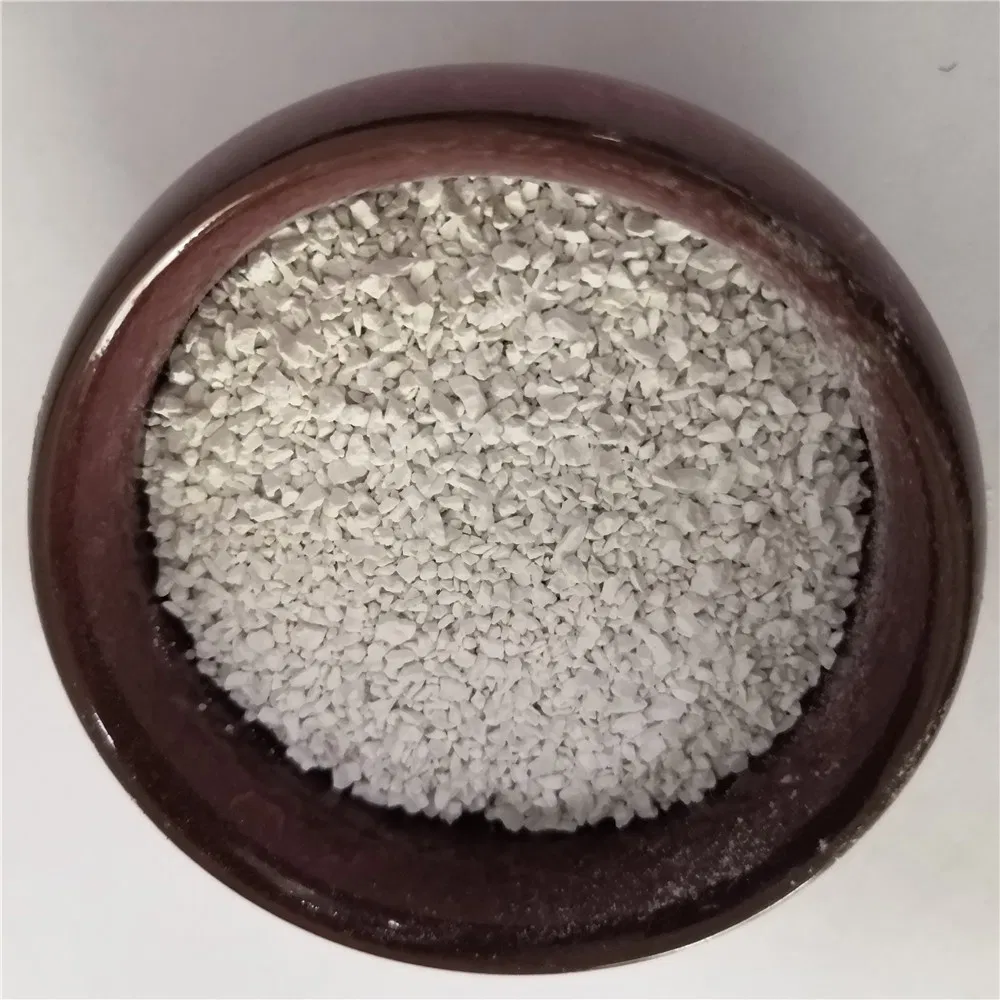
Calcium hypochlorite is a highly effective disinfectant used in water treatment, cleaning, and sanitation. However, its potent chemical properties come with risks if not handled properly. This blog explores the potential dangers of calcium hypochlorite and provides practical guidelines for safe handling and usage.
1. What is Calcium Hypochlorite?
Calcium hypochlorite is a chlorine-based compound commonly used for:
- Disinfecting drinking water.
- Sanitizing swimming pools.
- Cleaning industrial equipment and surfaces.
Its high chlorine content makes it a powerful oxidizing agent, but this same property also requires caution.
2. Potential Dangers of Calcium Hypochlorite
While calcium hypochlorite is beneficial for disinfection, it poses certain risks:
a. Fire and Explosion Hazards
- Oxidizing Nature: Reacts with combustible materials, increasing fire risk.
- Storage Issues: Can decompose at high temperatures, releasing chlorine gas and heat.
b. Toxic Gas Release
- Chlorine Gas: Mixing with acids or improper storage can release harmful chlorine gas, which can irritate the respiratory system.
c. Skin and Eye Irritation
- Corrosive Nature: Direct contact can cause burns, irritation, or eye damage.
d. Environmental Impact
- Improper disposal can harm aquatic life and ecosystems due to its high toxicity to waterborne organisms.
3. Safety Guidelines for Handling Calcium Hypochlorite
To minimize the risks, follow these safety precautions:
a. Storage Practices
- Store in a cool, dry, and well-ventilated area.
- Keep away from heat sources, flammable materials, and direct sunlight.
- Use containers designed for oxidizing agents.
b. Handling Precautions
- Wear Protective Gear: Use gloves, goggles, and a mask when handling.
- Avoid inhaling dust or fumes.
- Always add calcium hypochlorite to water, not water to the chemical.
c. Mixing Instructions
- Never mix calcium hypochlorite with acids or other cleaning agents.
- Use clean, non-metallic containers for mixing.
4. Emergency Measures
a. In Case of Skin Contact
- Rinse the affected area thoroughly with water for at least 15 minutes.
- Seek medical attention if irritation persists.
b. If Chlorine Gas is Inhaled
- Move to fresh air immediately.
- Seek medical assistance if breathing difficulty occurs.
c. Fire Response
- Use water spray or foam to extinguish a fire involving calcium hypochlorite. Avoid dry chemical extinguishers, as they may exacerbate the situation.
5. Why Choose Aguachlon for Calcium Hypochlorite?
At Aguachlon, safety and quality are our top priorities. We provide detailed handling instructions and support to ensure the safe use of our products.
Why Trust Aguachlon?
- High-Quality Products: Consistent and reliable calcium hypochlorite.
- Expert Guidance: Comprehensive safety information for users.
- Environmental Responsibility: Products designed with sustainability in mind.
While calcium hypochlorite is an effective disinfectant, understanding its potential dangers is essential for safe use. By following proper handling, storage, and usage guidelines, you can harness its benefits while minimizing risks.
Looking for reliable calcium hypochlorite products? Contact Aguachlon for safe and high-quality solutions tailored to your needs.
calcium hypochlorite dangers,calcium hypochlorite safety,handling calcium hypochlorite,safe disinfection

undefined

Aguachlon – Focus on water safety and challenge
by providing high quality disinfectants and services.
williamzhang@aguachlon.com
Whatsapp:+86 13642134113
© 2025 Aguachlon – All Rights Reserved
Privacy Policy Terms of Service
HUATAO GROUP