Wish you a merry christmas and a joyful new year!
-
Products
-

DETAILS
Aguachlon
10
2025
-
01
Difference Between Sodium Hypochlorite and Calcium Hypochlorite
Sodium hypochlorite and calcium hypochlorite are widely used disinfectants in water treatment and sanitation. While both serve as effective chlorine-based solutions, they have unique properties, applications, and benefits. In this article, we’ll explore the key differences between the two to help you choose the right product for your needs.
Difference Between Sodium Hypochlorite and Calcium Hypochlorite
Sodium hypochlorite and calcium hypochlorite are widely used disinfectants in water treatment and sanitation. While both serve as effective chlorine-based solutions, they have unique properties, applications, and benefits. In this article, we’ll explore the key differences between the two to help you choose the right product for your needs.
1. What Are Sodium Hypochlorite and Calcium Hypochlorite?
Sodium Hypochlorite
- Chemical Formula: NaClO
- Appearance: A pale yellow liquid commonly known as liquid bleach.
- Usage: Widely used for household cleaning, municipal water treatment, and as a bleaching agent in industrial processes.
Calcium Hypochlorite
- Chemical Formula: Ca(ClO)₂
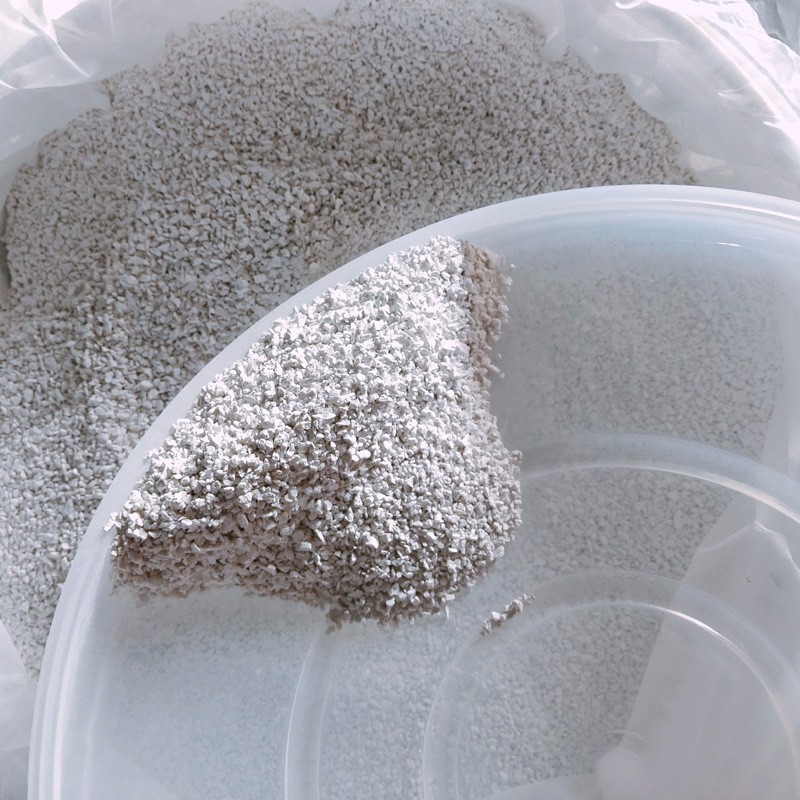
- Appearance: A white, granular, or powdered solid often referred to as bleaching powder.
- Usage: Commonly used in swimming pool sanitation, industrial water treatment, and emergency disinfection.
2. Key Differences Between Sodium Hypochlorite and Calcium Hypochlorite
| Aspect | Sodium Hypochlorite | Calcium Hypochlorite |
|---|---|---|
| Physical Form | Liquid | Solid (granules or powder) |
| Chlorine Content | Typically around 10-12% | Higher, approximately 65-70% |
| Stability | Less stable, can degrade over time | More stable, longer shelf life |
| Storage Requirements | Requires sealed containers, prone to leakage or spillage | Easier to store in dry conditions |
| Applications | Household cleaning, municipal water treatment | Pool sanitation, industrial water treatment |
| Cost | Generally more affordable | Higher initial cost but more concentrated |
3. Advantages and Disadvantages
Sodium Hypochlorite
Advantages:
- Easy to use in liquid form.
- Ideal for large-scale water treatment systems.
Disadvantages:
- Requires careful handling due to potential for spillage.
- Shorter shelf life and higher degradation risk.
Calcium Hypochlorite
Advantages:
- Higher chlorine content, making it more effective in smaller doses.
- Better stability and longer shelf life.
Disadvantages:
- Requires proper storage to prevent moisture exposure.
- Can be more challenging to dissolve compared to liquid solutions.
4. Applications in Water Treatment
Both compounds play a vital role in water treatment:
- Sodium Hypochlorite: Best suited for continuous dosing in large-scale municipal systems.
- Calcium Hypochlorite: Ideal for localized or emergency disinfection, such as swimming pools or disaster relief efforts.
5. Choosing the Right Product
The choice between sodium hypochlorite and calcium hypochlorite depends on your specific needs:
- For everyday liquid applications: Sodium hypochlorite is cost-effective and convenient.
- For higher chlorine concentration and long-term storage: Calcium hypochlorite is a better option.
At Aguachlon, we supply premium-quality calcium hypochlorite to meet diverse industrial and municipal requirements.
Understanding the difference between sodium hypochlorite and calcium hypochlorite is essential for making informed decisions in water treatment and sanitation. Whether you prioritize convenience or concentration, each compound offers unique benefits.
Contact Aguachlon today to learn more about our high-quality calcium hypochlorite products and how they can enhance your water treatment solutions.
difference between sodium hypochlorite and calcium hypochlorite,sodium hypochlorite,calcium hypochlorite,water treatment

undefined
Aguachlon – Focus on water safety and challenge
by providing high quality disinfectants and services.
williamzhang@aguachlon.com
Whatsapp:+86 13642134113
© 2025 Aguachlon – All Rights Reserved
Privacy Policy Terms of Service
HUATAO GROUP